
Navigating perimenopause with Traditional Chinese Medicine: diet, lifestyle, and acupuncture support
Perimenopause is a natural transition, but for many women it can feel anything but natural.
Symptoms may begin gradually or seem to appear overnight. Sleep becomes fragmented, periods less predictable, concentration more difficult and emotions harder to navigate. Hot flushes, night sweats, fatigue, headaches, joint pain or vaginal dryness may arrive alongside symptoms that seem completely unrelated.
One of the most unsettling aspects of perimenopause is often its unpredictability. One day you feel perfectly well, the next you wake exhausted, anxious or overwhelmed for no obvious reason. The body can begin to feel unfamiliar, and many women tell me they no longer quite feel like themselves.
If this resonates with you, you're not alone, and you're certainly not overreacting. Your body is going through a significant transition, and it deserves support.
Traditional Chinese Medicine (TCM) has supported women through this stage of life for thousands of years. While modern medicine understandably focuses on hormonal changes, Chinese medicine takes a broader view, considering how the whole body is adapting during this transition. This perspective can offer valuable insights, not only into acupuncture treatment, but also into the role that food, rest and lifestyle can play in supporting your wellbeing.
How does Traditional Chinese Medicine understand perimenopause?
From a Traditional Chinese Medicine perspective, menopause is not viewed as a disease or a hormonal imbalance that needs fixing. Instead, it is considered a natural stage of life during which the body's resources gradually change.
Three concepts are particularly important. They are unique to Traditional Chinese Medicine. They don't correspond directly to modern medical terms, but they provide a useful framework for understanding why seemingly unrelated symptoms often occur together.
Blood
In Chinese medicine, Blood is more than the blood circulating through our veins. It nourishes the muscles, skin, hair and mind, helping us feel physically and emotionally grounded. When Blood becomes depleted, women may experience fatigue, dizziness, poor concentration, disturbed sleep or increased anxiety.
Yin
Yin represents the body's cooling, nourishing and moistening aspect. As Yin naturally declines with age, symptoms such as hot flushes, night sweats, dryness, restlessness and insomnia may become more noticeable.
Essence (Jing)
Essence, or Jing, is considered our deepest reserve of vitality. It naturally changes throughout life and is closely linked with growth, ageing and reproduction. Menopause is viewed as a time when these reserves are evolving, making rest, nourishment and recovery particularly important.
Rather than trying to stop this natural process, the aim of Chinese medicine is to support the body as it adapts to these changes and help relieve the symptoms that accompany them.
How diet can support you during perimenopause
Food is never a replacement for medical care, but it can play an important role in supporting your health throughout perimenopause. Alongside acupuncture, I often discuss practical dietary and lifestyle changes with patients where appropriate. These recommendations are always tailored to the individual and are intended to complement, not replace, conventional medical care.
From a Traditional Chinese Medicine perspective, this stage of life is often a time to nourish rather than restrict. The focus shifts towards eating foods that replenish the body's resources, support digestion and provide steady, lasting energy.
Nourishing Blood and Yin
Foods traditionally considered supportive include:
Oily fish
Eggs
Tofu and tempeh
Lentils and beans
Dark leafy greens
Beetroot
Walnuts
Black sesame seeds
Oats
Pears and apples
Berries
Many of these foods are also rich in protein, fibre, healthy fats, iron, calcium and antioxidants, making them valuable additions to the diet regardless of whether you follow a Traditional Chinese Medicine approach.
Looking after digestion
In Traditional Chinese Medicine, digestion is considered the foundation for producing Qi (energy) and Blood. If digestion is compromised, the body may struggle to make the most of the nutrients we eat.
Simple habits can make a real difference:
Eat regular meals rather than skipping them
Include a source of protein with each meal
Choose warm, cooked breakfasts as much as possible. Why? Warm breakfasts provide steady energy, are often easier to digest and may help reduce mid-morning energy dips. Of course, this doesn't mean every breakfast has to be cooked and that you can never have a smoothie again. The aim is simply to include warm, nourishing breakfasts more often where possible.
Stay well hydrated
Avoid relying on coffee to get through the day
Warm, nourishing meals are often easier to digest than cold foods, particularly if bloating, loose stools or fatigue are also present.
Foods that may aggravate hot flushes
Some women notice that certain foods seem to trigger or worsen hot flushes and night sweats.
Common examples include:
Alcohol
Excess caffeine
Very spicy foods
Highly processed foods
Not everyone reacts in the same way, so rather than avoiding foods unnecessarily, it can be helpful to notice your own patterns.
Lifestyle matters too: changes and support during perimenopause
Perimenopause often coincides with one of the busiest stages of life. Careers, children, ageing parents and everyday responsibilities can all place additional demands on the body.
Looking after your nervous system becomes just as important as looking after your hormones.
Keep moving
Regular movement supports cardiovascular health, mood, sleep and stress regulation. It doesn't have to mean long or intense workouts. Walking, swimming, cycling, yoga or Pilates can all make a meaningful difference when practised consistently. The aim is to find something you enjoy and can realistically maintain.
Include strength training
Strength training becomes particularly important during perimenopause and beyond. As oestrogen levels decline, women naturally lose muscle mass and bone density, increasing the risk of frailty and osteoporosis over time. Current guidelines recommend incorporating muscle-strengthening activities at least twice a week, and some evidence suggests that 2–3 sessions per week may provide additional benefits for bone health and muscle strength. The good news is that these sessions don't have to be long or take place in a gym. Bodyweight exercises, resistance bands or a short online class at home are all excellent places to start.
Prioritise sleep and rest
Sleep often becomes one of the biggest challenges during perimenopause, whether because of night sweats, anxiety or waking in the early hours. While improving sleep isn't always straightforward, creating opportunities for rest still matters. Time outdoors, moments of quiet, breathing exercises, mindfulness or simply allowing yourself to slow down can all help regulate the nervous system and make it easier for the body to recover.
Don't overlook vitamin D
Vitamin D also plays an important role in bone health, immune function and muscle health. Vitamin D3 (sometimes combined with vitamin K2) is a supplement often recommended during midlife to support bone health.
Whether supplementation is appropriate depends on your diet, lifestyle and individual health, so it's worth discussing with your GP or healthcare practitioner. We can also discuss supplementation as part of your treatment plan.
What about seed cycling?
Seed cycling is a nutritional approach that involves eating different seeds during the two phases of the menstrual cycle. The idea is that the nutritional properties of these seeds may help support the body's natural hormonal fluctuations throughout the cycle.
During the follicular phase (from the first day of your period until ovulation), the recommendation is generally one tablespoon each of freshly ground flaxseeds and pumpkin seeds daily.
During the luteal phase (from ovulation until your next period), these are replaced with one tablespoon each of sesame seeds and sunflower seeds.
If your periods have stopped completely, some practitioners recommend alternating every two weeks instead.
Scientific evidence remains limited, and more research is needed before firm conclusions can be drawn. However, many practitioners working in Traditional Chinese Medicine, nutrition and functional medicine have incorporated seed cycling into their clinical practice for years, and many women report finding it helpful during perimenopause. Whether or not you choose to try it, seeds are an excellent source of healthy fats, fibre, minerals and protein.
Three nourishing breakfast ideas
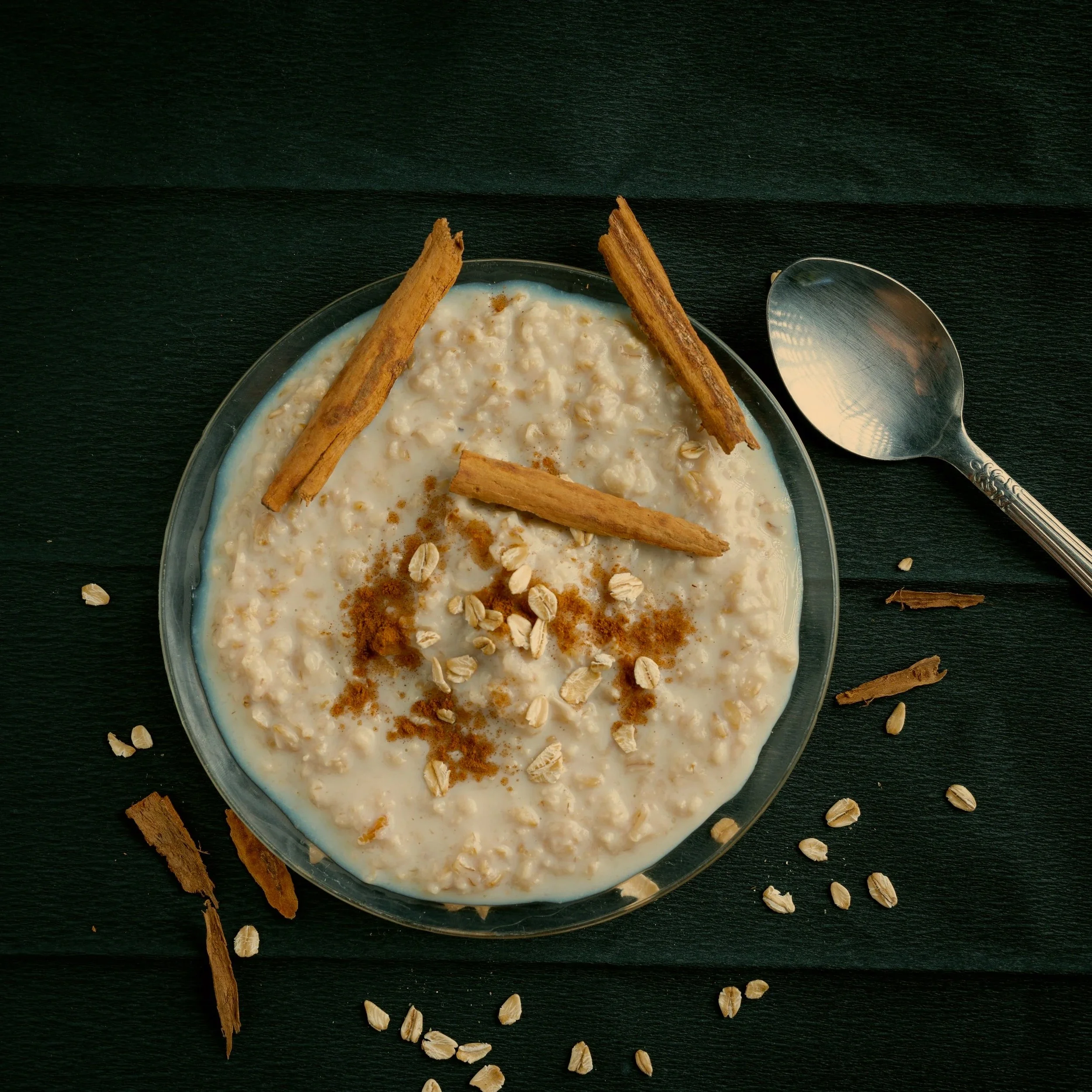
One of the simplest ways to support your body is to begin the day with a warm, nourishing breakfast.
Cinnamon porridge
Cook rolled oats with your milk of choice. Stir through a pinch of cinnamon, then top with chopped walnuts, ground flaxseed, blueberries and a spoonful of almond butter.
Warm quinoa breakfast bowl
Cook quinoa until soft, then serve warm with cinnamon, black sesame seeds, chopped walnuts, mixed berries and a drizzle of honey or maple syrup.
Stewed pear or apple porridge
Gently stew a pear or apple with cinnamon until soft. Spoon over warm porridge and finish with pumpkin seeds and chopped almonds.

Perimenopause is a significant transition, and every woman's experience is different. There is no single approach that works for everyone, but understanding what is happening in your body, making small sustainable changes to your lifestyle and seeking support when you need it can make a real difference.
If your symptoms are affecting your sleep, energy, confidence or quality of life, you don't have to wait until they become overwhelming before asking for help.
If you'd like to learn more about how acupuncture may support you through perimenopause and menopause, you can read about acupuncture for perimenopause and menopause in Hackney.