
Acupuncture for perimenopause & menopause
Supporting women through hormonal change with evidence-informed acupuncture.
Perimenopause and menopause can bring a wide range of physical and emotional changes, from hot flushes and poor sleep to anxiety, fatigue and brain fog. The body can start to feel unfamiliar. Symptoms may appear unexpectedly, fluctuate from one day to the next, and leave you feeling as though you no longer quite recognise yourself.
Acupuncture offers a gentle, personalised approach to supporting women through this transition. Rather than focusing on a single symptom, treatment is tailored to your individual experience, helping your body adapt to hormonal changes, ease symptoms and restore a greater sense of balance and wellbeing.
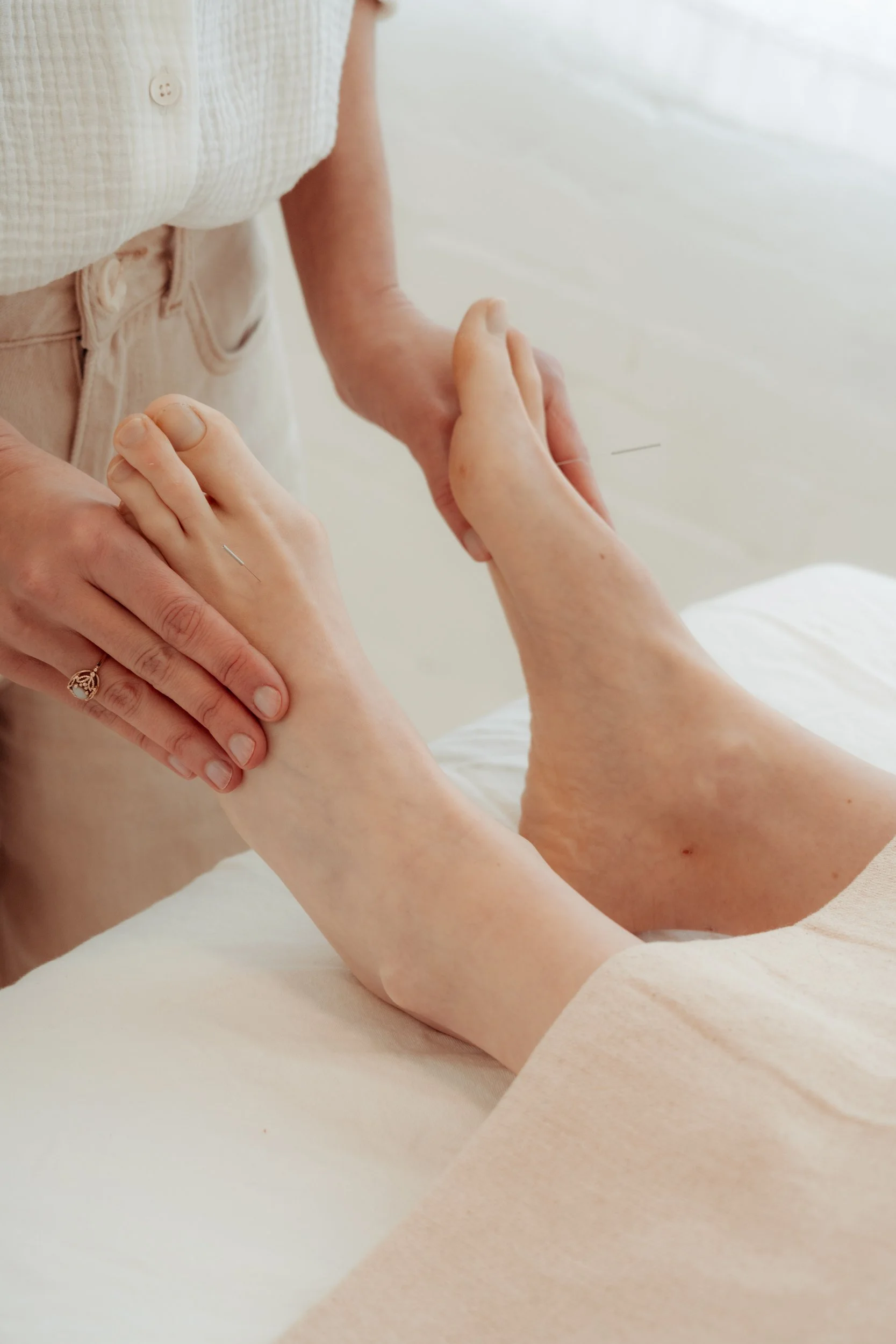
Every woman's experience of menopause is different
Some women notice hot flushes and night sweats long before their periods stop. Others find that poor sleep, anxiety or low mood become their main concern. For some, it is brain fog, headaches, joint pain or a loss of confidence. Others simply have the feeling that something has changed, without immediately being able to put their finger on it.
Symptoms can appear gradually or quite suddenly, fluctuate from one day to the next, and change over time. Perimenopause and menopause rarely follow a predictable pattern, and every woman's experience is unique.
Acupuncture can support:
Hot flushes and night sweats
Poor sleep and insomnia
Anxiety, low mood and irritability
Brain fog and poor concentration
Fatigue and low energy
Headaches and migraines
Joint and muscle aches
Palpitations
Vaginal dryness
Reduced libido
Digestive changes
Stress and feeling overwhelmed
A different way of looking at menopause
In Traditional Chinese Medicine, menopause is not seen as a problem to be fixed, but as a natural stage of life that places new demands on the body. Rather than focusing on a single symptom, treatment looks at the wider pattern behind your symptoms and how they relate to one another.
This is why two women experiencing very similar hot flushes may receive completely different treatments. One may also struggle with anxiety and poor sleep, while another experiences headaches, digestive changes or overwhelming fatigue. Acupuncture takes all of these into account, rather than treating each symptom in isolation.
The aim is not to treat menopause itself, but to help relieve the symptoms that are preventing you from feeling at your best. While menopause is a natural transition, struggling through it doesn't have to be. Treatment aims to ease symptoms as much as possible, so you can continue living your life without them taking centre stage.
What does the research say?
Research suggests acupuncture is an effective option for managing menopausal symptoms.. Studies have shown that acupuncture may:
Reduce the frequency and severity of hot flushes and night sweats
Improve sleep quality and insomnia
Improve menopause-related quality of life
Reduce anxiety, stress and mood disturbances in some women
Improve overall menopausal symptom scores
Acupuncture can be used alongside conventional care, including hormone replacement therapy (HRT), or as a standalone treatment for women who choose not to take HRT, are unable to take it, or are looking for additional support alongside it.
Selected research:
The Acupuncture Evidence Project (McDonald & Janz, 2017) concluded there is moderate-quality evidence supporting acupuncture for vasomotor symptoms associated with menopause.
Avis et al. (2016) found that women receiving acupuncture experienced clinically meaningful improvements in hot flushes and several quality-of-life measures, with benefits persisting for months after treatment.
A recent systematic review and meta-analysis reported that acupuncture significantly improved menopausal symptoms and quality of life, particularly when used alongside usual care.
My approach
The first appointment is an opportunity to understand not only your menopausal symptoms, but also your overall health, sleep, digestion, stress levels and medical history. From a Traditional Chinese Medicine perspective, these different aspects are closely connected and help guide treatment.
As your symptoms change, your treatment evolves with them. Some women come because one symptom is having a particularly significant impact on their daily life, while others are looking for broader support as they navigate the menopausal transition.
Whether you're just beginning to notice the first signs of perimenopause or have been living with menopausal symptoms for several years, it's never too early or too late to seek support.
Frequently asked questions
-
Yes. Acupuncture can be used alongside hormone replacement therapy (HRT) and other medical treatments. Many women choose acupuncture in addition to HRT, while others seek it because they are unable to take HRT or prefer not to.
-
This depends on your symptoms, how long you've been experiencing them and your overall health. For chronic symptoms, weekly treatment is often recommended initially, before spacing appointments further apart as symptoms improve.
-
When carried out by a qualified acupuncturist, acupuncture is considered very safe. I hold a Licentiate in Acupuncture following over 3,000 hours of training and am a member of the British Acupuncture Council (MBAcC), the UK's largest professional body for traditional acupuncturists.
-
Yes. Menopause doesn't always end when your periods stop. Many women continue to experience symptoms for months or even years afterwards, while others develop new concerns over time. Acupuncture may help support a wide range of ongoing symptoms and improve overall wellbeing, regardless of where you are in the menopausal transition.
You don't have to wait until symptoms become overwhelming to seek support. Whether you're just beginning to notice changes or have been struggling for some time, acupuncture may help you navigate this transition with greater comfort and confidence.
Book an appointment to discuss how acupuncture may support you through perimenopause or menopause.