

Understanding acupuncture
Traditional Chinese Medicine
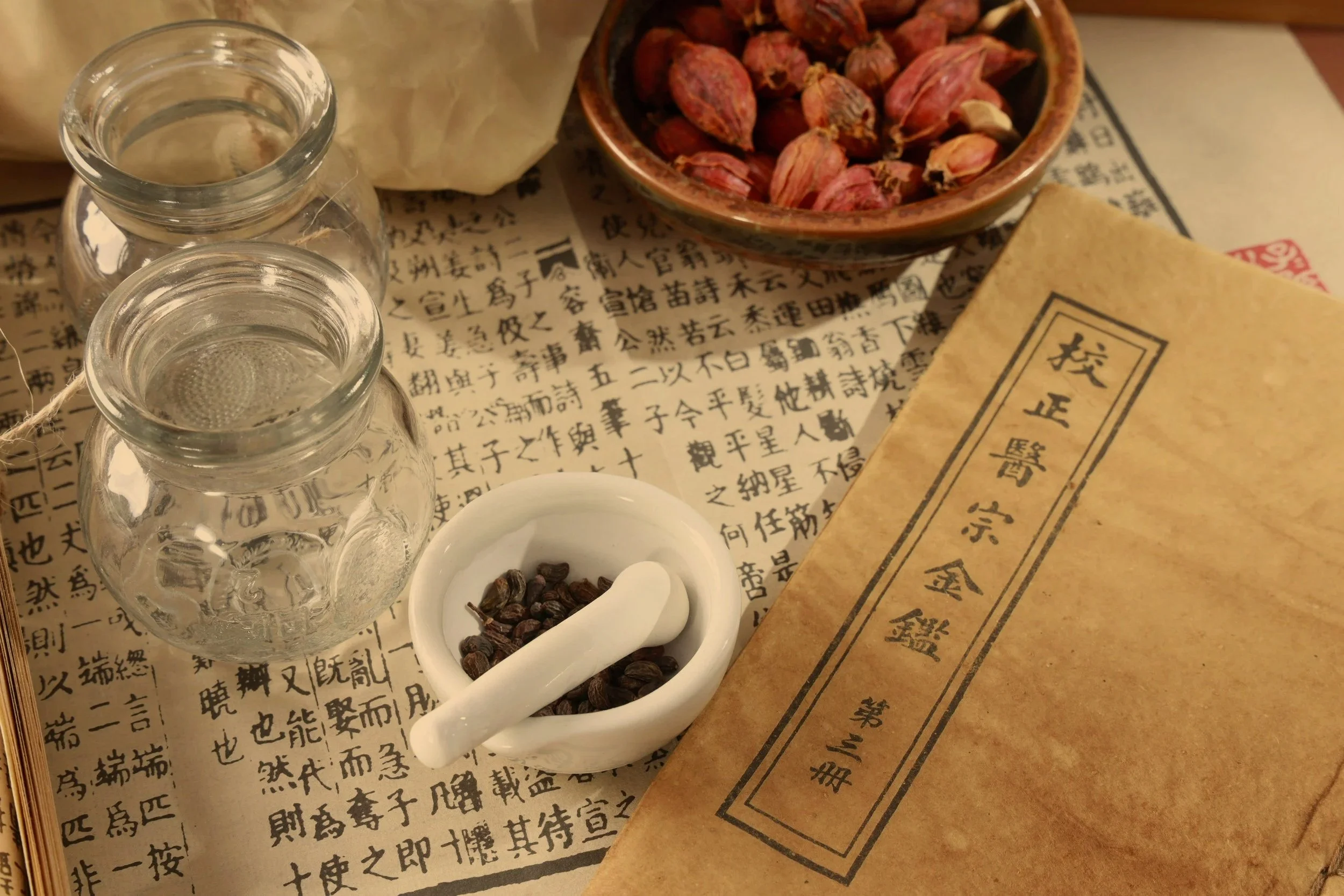
Traditional Chinese Medicine (TCM) is one of the world's oldest systems of medicine, with a history spanning more than 2,000 years. It views health as a dynamic balance within the body and recognises the close relationship between our physical health, emotional wellbeing and environment.
Rather than treating symptoms in isolation, Traditional Chinese Medicine seeks to understand the underlying pattern of imbalance that may be contributing to your health concerns. Treatment aims to restore balance, support the body's natural healing processes and promote long-term health and wellbeing.
Acupuncture is one of the principal therapies of Traditional Chinese Medicine and has been used for centuries to prevent illness, relieve symptoms and support overall health.
The science behind acupuncture
Although acupuncture has been practised for thousands of years, modern research continues to deepen our understanding of how it works.
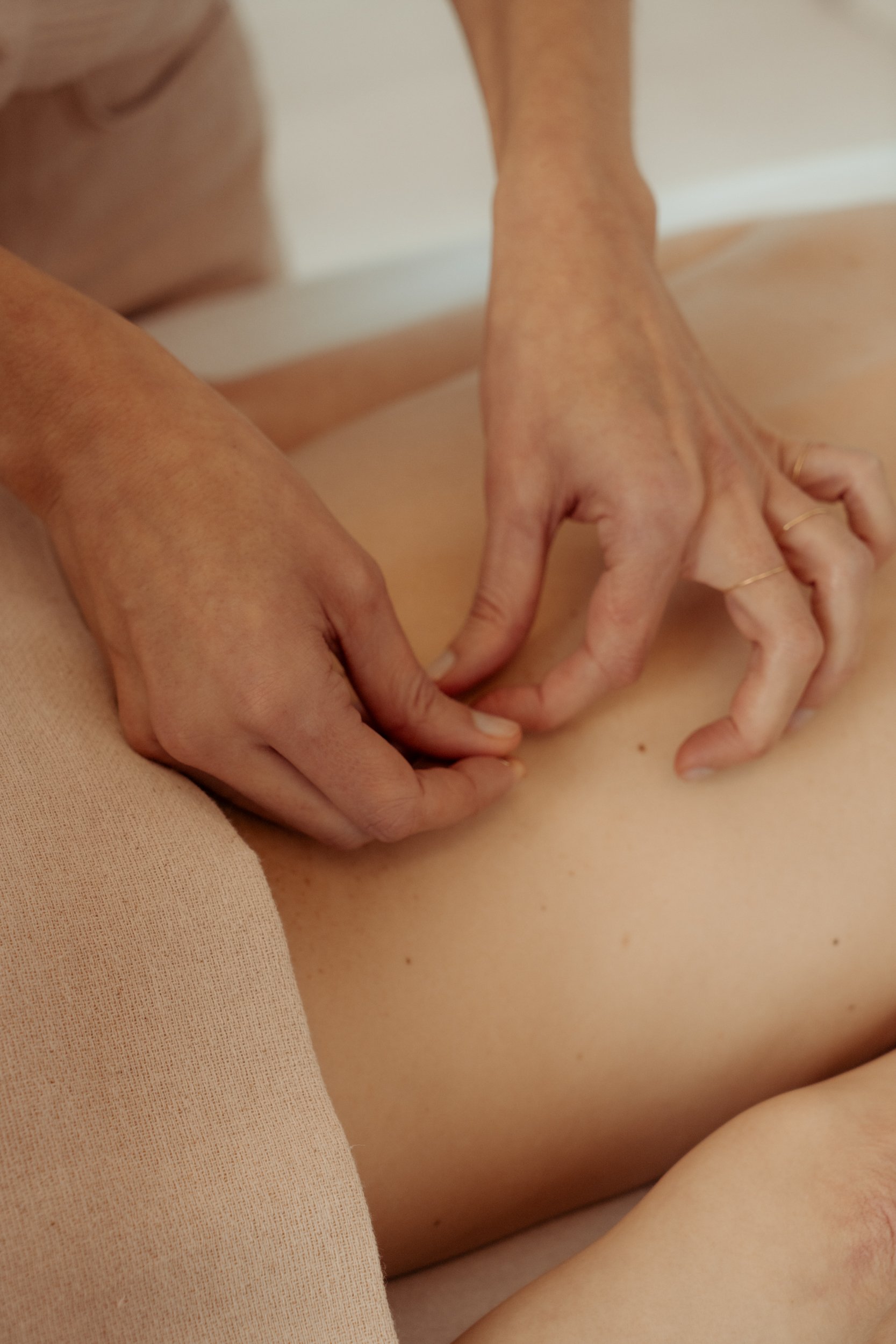
Research has shown that acupuncture stimulates the nervous system and triggers a series of physiological responses throughout the body. It promotes the release of endorphins and neurotransmitters involved in pain relief, mood regulation and healing. It helps regulate the autonomic nervous system, improves blood circulation, influences inflammatory processes and supports immune function.
Brain imaging studies have also shown that acupuncture influences areas of the brain involved in pain perception, emotional regulation and stress responses. These findings help explain why acupuncture can benefit such a wide range of conditions, from chronic pain and migraines to digestive disorders, fertility, women's health and stress-related conditions.
Today, acupuncture is practised in healthcare settings around the world, both as a primary treatment and alongside conventional medicine. The World Health Organization (WHO) recognises its role in supporting a wide range of health conditions, while research continues to expand our understanding of its mechanisms and clinical applications.

Your first appointment lasts up to 90 minutes. We'll spend time talking about your health, your medical history and what has brought you to the clinic. Everything is relevant, and often the details that seem unrelated can help me understand what's going on.
This is a safe, confidential and non-judgemental space. My role is to listen, ask questions and take the time to understand your health as a whole before deciding on the most appropriate treatment.
Our in-depth discussion will be followed by your acupuncture treatment. And at the end of the appointment, we'll discuss how often I'd recommend seeing you and what you can realistically expect over the coming weeks or months.
Follow-up appointments last up to one hour. We'll review how you've been since your last treatment, adapt the treatment as needed, and build on the progress you've made. As your health improves, appointments can usually become less frequent.
Where appropriate, I may also suggest simple dietary or lifestyle changes to support your treatment. The aim isn't to overhaul your life, but to give you practical advice that feels achievable and can help you maintain your health outside the clinic.
Acupuncture is a deeply relaxing treatment and many patients fall asleep during their session.
What happens during your consultation
For practical information about acupuncture, including safety, pregnancy, side effects and what to expect after treatment, please visit the Frequently Asked Questions page.
If you'd like to discuss your health concerns before booking, I also offer a complimentary, no-obligation 15-minute discovery call. Arrange a call →