
Acupuncture for stress, anxiety & burnout
Modern life places the nervous system under constant pressure.
Stress has become so normalised that many people only realise how affected they are once the body begins reacting more loudly: poor sleep, anxiety, digestive symptoms, headaches, jaw tension, fatigue, palpitations, emotional overwhelm or the feeling of never properly switching off.
Stress, anxiety and burnout are closely connected, but they are not the same thing.
Anxiety often feels acute and consuming. Stress is usually carried over time, sometimes almost unnoticed. Burnout tends to appear when the body has been compensating for too long and can no longer sustain the same rhythm physically, mentally or emotionally.
One of the things I find particularly valuable about Traditional Chinese Medicine is that it does not separate emotional and physical health. Rather than focusing only on isolated symptoms, Chinese Medicine considers how prolonged tension, emotional strain, exhaustion and nervous system dysregulation affect the body as a whole.
Anxiety
Anxiety can manifest in many different ways.
For some people, anxiety feels like a racing mind, constant worry or a sense of being permanently alert, as though the body cannot properly relax or switch off. Others experience it much more physically: tightness in the chest, palpitations, shortness of breath, nausea, digestive discomfort, panic attacks or disrupted sleep.
Social situations may become difficult, concentration can suffer and everyday tasks may begin to feel exhausting.
Sometimes anxiety can be linked to a specific event or period of life. In other cases, it gradually builds over time through prolonged stress, emotional strain, grief, trauma or nervous system overload.
From a Traditional Chinese Medicine perspective, anxiety is not viewed simply as a psychological issue. Emotional and physical symptoms are understood as deeply interconnected, which is why treatment considers the whole person rather than isolated symptoms alone.
Stress
Stress often settles into the body gradually.
It may appear as neck and shoulder tension, jaw clenching, headaches, digestive discomfort, fatigue, hormonal symptoms, irritability or difficulty sleeping deeply. Many people continue functioning outwardly while feeling increasingly tense, reactive or depleted internally.
In clinic, I often see stress manifest physically in the chest, the solar plexus, the stomach and guts, the back or the jaw, almost as though the body is holding tension continuously.
People frequently describe feeling “wired but exhausted”: unable to slow down mentally, yet physically drained at the same time.
Traditional Chinese Medicine understands stress as something that gradually affects the body’s ability to regulate, recover and rest properly. Over time, this may influence sleep, digestion, circulation, hormonal health, energy and emotional resilience.
Burnout
Burnout is more than simply feeling tired or overworked.
It is often the point at which the body can no longer continue functioning purely through adaptation and willpower.
Many people reach burnout after months or years of prolonged stress, emotional strain, overwork or insufficient recovery. By that stage, the nervous system has often been under pressure for a long time.
Burnout may present as profound exhaustion, emotional numbness, anxiety, recurrent illness, low motivation, poor concentration, sleep disturbances or the feeling of being completely depleted. Some people feel detached from themselves, unable to experience pleasure or properly recover even when they stop working.
In Traditional Chinese Medicine, this is understood as a deeper level of depletion affecting the body’s reserves over time. Treatment focuses not only on calming the system, but also on supporting recovery and gradually rebuilding resilience and energy.

How acupuncture can help
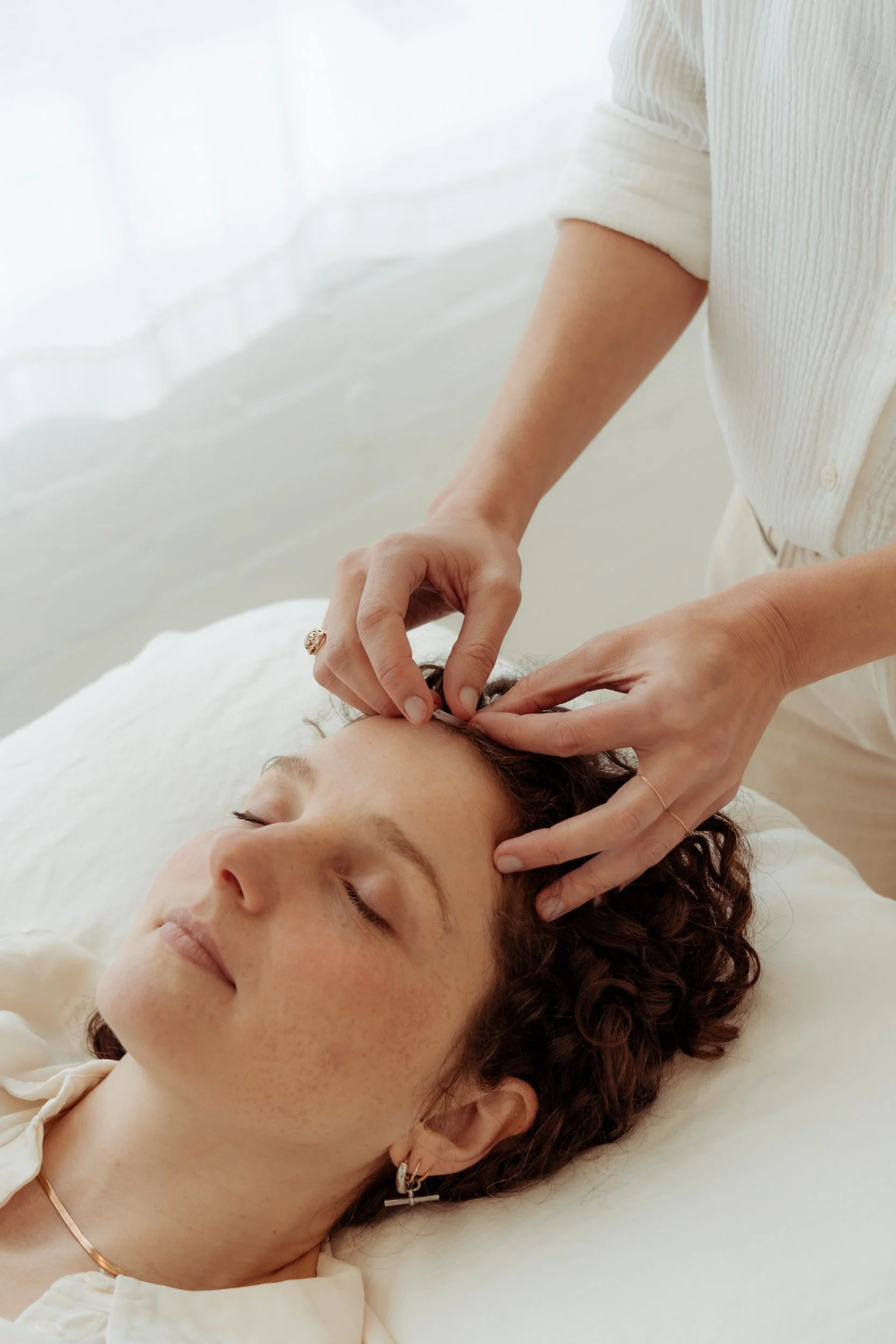
Acupuncture is widely used to support stress-related conditions, anxiety and burnout because it works with both the physical and emotional manifestations of stress within the body.
Treatment helps regulate the nervous system and encourages the body to move out of prolonged states of tension, hypervigilance and exhaustion. Many patients notice improvements not only emotionally, but also in associated symptoms such as:
poor sleep
muscular tension
headaches
digestive discomfort
palpitations
fatigue
hormonal flare-ups
emotional overwhelm
One of the strengths of Traditional Chinese Medicine is precisely that it does not separate these symptoms from one another. Stress, anxiety and exhaustion are understood as affecting the whole system, which is why treatment often has a broader impact on overall wellbeing.
In clinic, patients frequently describe feeling calmer, more grounded, sleeping more deeply and finding it easier to relax after treatment. For people who have spent months or years functioning in a constant state of stress or depletion, this shift can feel significant.
FAQs
-
This depends on how long symptoms have been present, their intensity and your overall health. Acute stress may respond relatively quickly (2 to 4 sessions), while longer-standing anxiety or burnout usually require more consistent treatment over time (more than 6 sessions).
This is just an indication: the number of sessions needed depends on the patient. -
Yes. Many patients notice improvements in sleep once the nervous system becomes less activated and the body begins regulating more effectively again.
-
Acupuncture is commonly used alongside antidepressants and other conventional treatments for anxiety, stress and burnout. Many patients find that treatment helps regulate the nervous system, improve sleep, reduce physical symptoms of anxiety and support emotional wellbeing more broadly.
Some people also seek acupuncture because they would like a more holistic approach to their mental and physical health, or hope over time to reduce their reliance on medication.
Acupuncture is not intended as a substitute for appropriate medical care, and any decision regarding antidepressants should always be discussed with a GP or prescribing doctor. However, acupuncture can provide meaningful support both alongside medication and, for some people, as part of a longer-term strategy towards improved overall regulation and wellbeing.
-
Yes. Acupuncture can be very effective in supporting anxiety, particularly when anxiety is felt physically in the body. Treatment often helps calm the nervous system and reduce symptoms such as chest tightness, palpitations, agitation, digestive discomfort and poor sleep.
-
Yes. Acupuncture is commonly used to support chronic stress and stress-related physical symptoms such as muscular tension, headaches, digestive discomfort, fatigue and sleep difficulties.
-
Acupuncture can support recovery from burnout by helping regulate the nervous system, improve sleep, reduce physical tension and support the body’s recovery processes after prolonged exhaustion.
Research
Research suggests acupuncture may help regulate the autonomic nervous system and support stress-related conditions including anxiety, sleep disturbances and burnout-related symptoms.
Pilkington et al., Autonomic Neuroscience (2007) — review on acupuncture and anxiety
https://pubmed.ncbi.nlm.nih.gov/17306976/
Errington-Evans, CNS Neuroscience & Therapeutics (2012) — review on acupuncture for anxiety disorders
https://pubmed.ncbi.nlm.nih.gov/22435409/
Armour et al., Annals of General Psychiatry (2019) — systematic review on acupuncture for depression, anxiety and insomnia
https://annals-general-psychiatry.biomedcentral.com/articles/10.1186/s12991-019-0238-5