
Acupuncture for Sleep Difficulties
If you are struggling with your sleep, you are not alone.
Perhaps you lie awake for hours despite feeling exhausted. Perhaps you fall asleep easily but wake repeatedly during the night. Or perhaps you find yourself awake at 4am, your mind already racing through tomorrow's to-do list.
When poor sleep becomes the norm rather than the exception, it can affect every aspect of life: mood, concentration, energy, resilience, relationships and physical health.
Sleep difficulties rarely exist in isolation. They often appear alongside stress, anxiety, burnout, chronic pain, hormonal changes, fertility treatment, pregnancy or menopause.
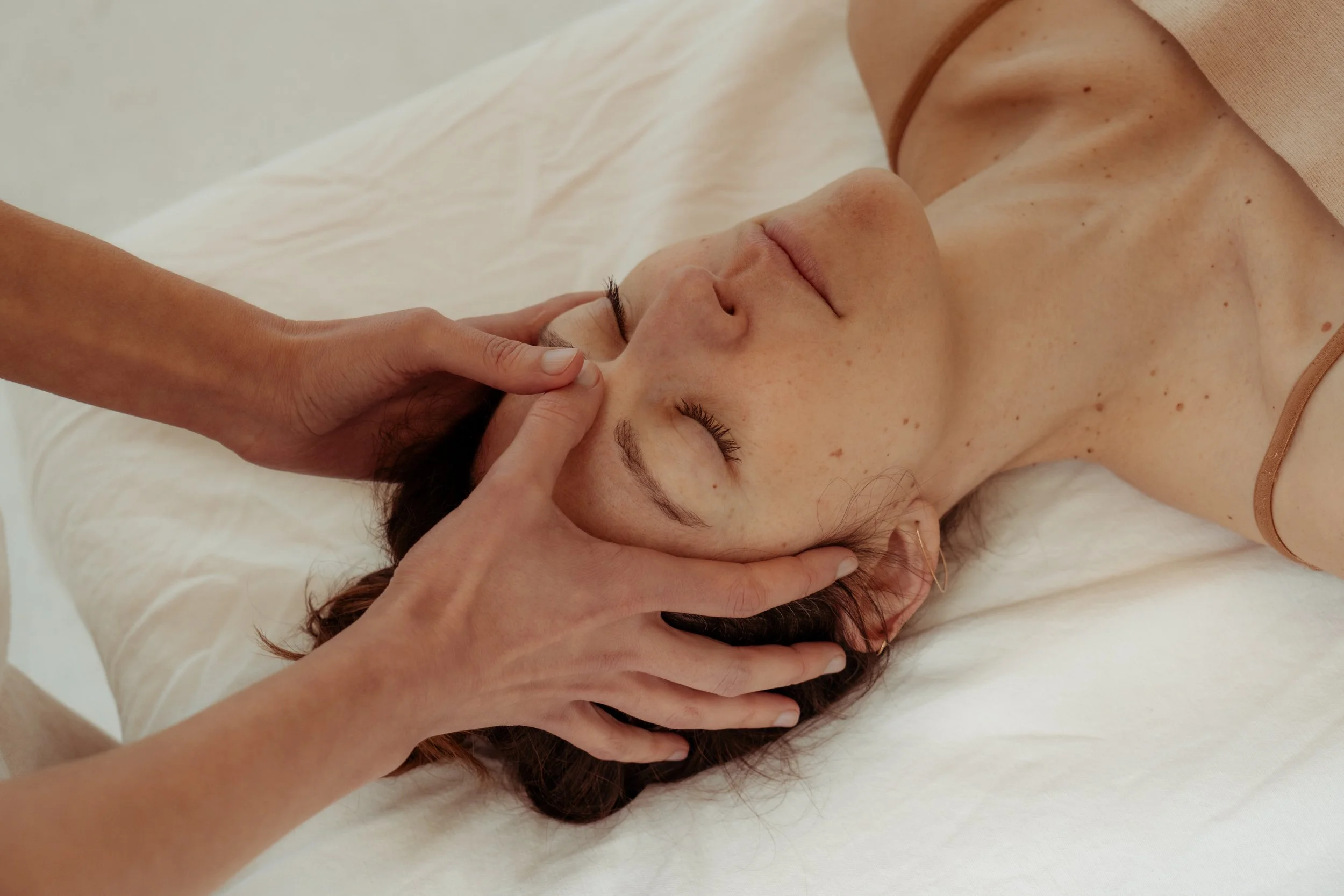
How does acupuncture approach sleep difficulties?
One of the first things I want to understand is not simply whether you sleep badly, but how you sleep badly.
Do you struggle to fall asleep?
Do you wake during the night?
Do you wake at the same time every night?
Do you wake feeling rested, or as tired as when you went to bed?
Do you remember your dreams? Are they vivid, disturbing, exhausting? Are they nice, violent, nightmares?
These questions matter because, in Traditional Chinese Medicine, different sleep patterns often point towards different underlying imbalances.
You may struggle to fall asleep because your mind feels unable to switch off. You may wake repeatedly because your sleep is light and easily disturbed. You may wake feeling exhausted because your body is not restoring itself properly overnight.
Although these experiences can all be described as "poor sleep", they are not necessarily treated in the same way.
Traditional Chinese Medicine looks beyond the symptom of insomnia and asks what may be preventing your body and mind from settling naturally at night. Treatment is then tailored to your individual presentation, with the aim of supporting both immediate symptoms and longer-term health.
What does the research say?
Research into acupuncture and insomnia has grown considerably over the past two decades.
Systematic reviews and meta-analyses have found that acupuncture improves sleep quality, reduces insomnia severity and can be beneficial for both acute and chronic sleep difficulties.
A 2019 systematic review and meta-analysis published in Annals of Palliative Medicine concluded that acupuncture significantly improved sleep quality and insomnia symptoms compared with control interventions.
More recent reviews have reported similar findings, including improvements in sleep quality, sleep efficiency and overall wellbeing.
Research has also explored acupuncture for sleep difficulties associated with anxiety, menopause, chronic pain and cancer care, with encouraging results.
While no single treatment works for everyone, the current body of evidence supports acupuncture as a valuable option for people seeking help with sleep difficulties.
FAQs
-
Yes. Stress is one of the most common reasons people experience sleep difficulties.
When stress remains elevated for long periods, many people find it difficult to switch off mentally, even when physically exhausted. Acupuncture is commonly used to support stress regulation and many patients notice improvements in both stress levels and sleep quality over the course of treatment.
-
Yes. Waking during the night is one of the most common sleep complaints I see in clinic.
The treatment approach will depend on the wider picture and any associated symptoms, but acupuncture is frequently used to support people whose sleep is fragmented, light or interrupted.
-
Yes. Difficulty falling asleep is one of the most common sleep complaints I see in clinic.
Many people describe feeling physically tired but mentally alert, unable to switch off despite being exhausted. Others find that stress, worry or a busy mind keep them awake long after they have gone to bed.
In Traditional Chinese Medicine, the reasons behind difficulty falling asleep can vary considerably from person to person. Acupuncture treatment is therefore tailored to your individual presentation and any associated symptoms, rather than focusing solely on the insomnia itself.
-
Some people notice changes after their first treatment, particularly when sleep difficulties are recent or linked to a specific stressful event.
Where sleep problems have been present for months or years, a course of treatment is often recommended. The exact number of sessions depends on factors such as the duration of symptoms, overall health and any associated conditions.
-
Yes. Many people seek acupuncture after struggling with sleep for a long time.
Longstanding sleep difficulties can take longer to improve than recent symptoms, but duration alone does not prevent treatment from being effective. The focus is on understanding the factors contributing to the insomnia and addressing them over time.